ServiceNow Integrates AI Into All Products Without Extra Costs
ServiceNow announces AI, data connectivity, security, and governance are now built into every product tier by default, eliminating costly add-ons and moving away from disconnected systems.
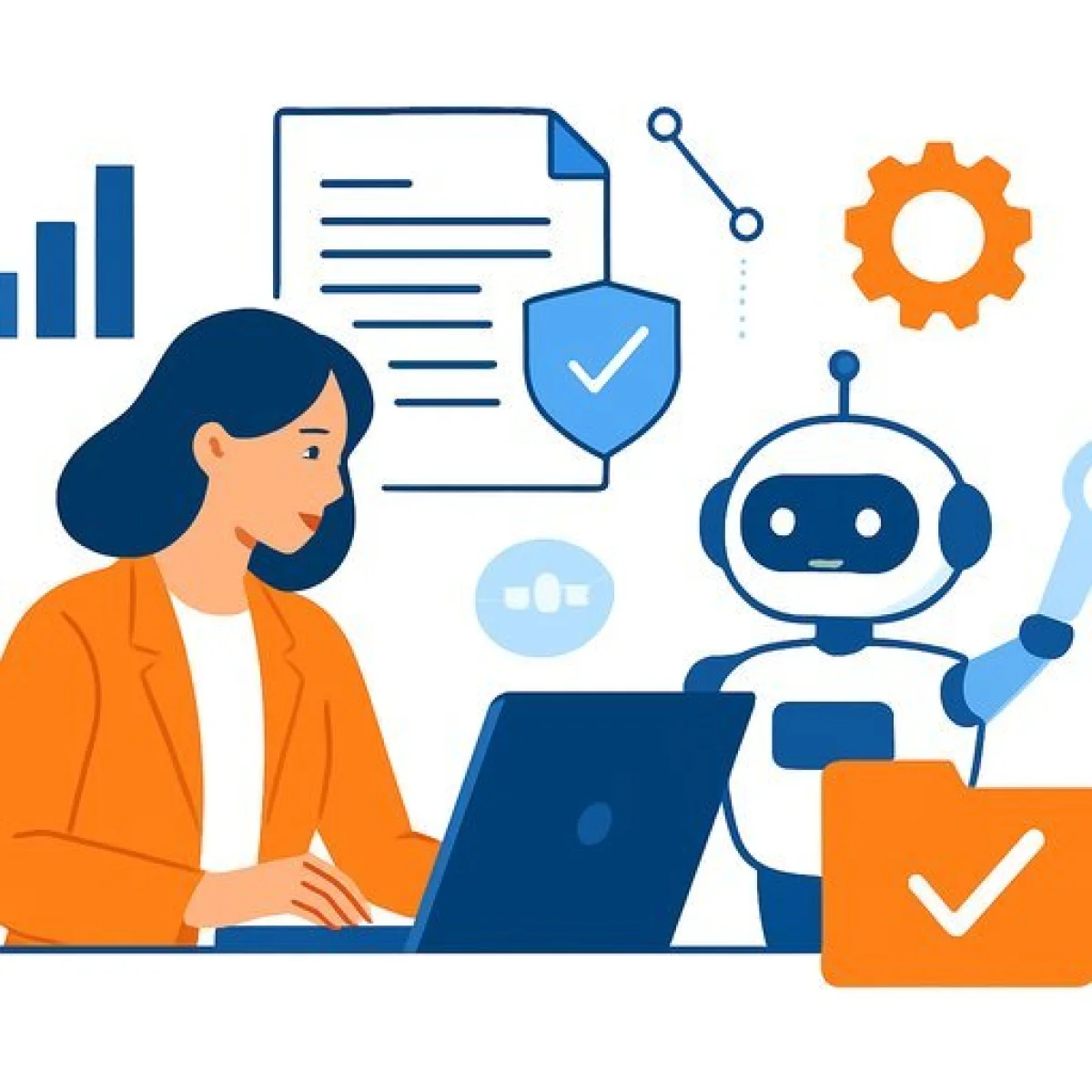
ServiceNow has announced a significant shift in its product strategy by embedding artificial intelligence across its entire portfolio. The company now includes AI, data connectivity, workflow execution, security, and governance as built-in features across all products, marking a departure from the industry standard of offering AI capabilities as separate, paid add-ons to disconnected systems.
The announcement introduces three core components designed to transform how enterprises leverage AI. The Context Engine grounds AI decisions in enterprise data, the Build Agent skills allow developers to use existing tools for building and deployment, and a new tiered pricing model includes AI in every offering regardless of package size.
The Context Engine represents a fundamental advancement in enterprise AI implementation. It connects relationships, policies, and decision history to inform every AI agent action. By drawing from ServiceNow's existing infrastructure—which processes 85 billion workflows and seven trillion transactions annually—the system provides AI agents with crucial organizational context. This includes knowledge of which assets are tied to regulated processes, which approval chains apply at specific cost thresholds, and relevant vendor history for requests. The system operates on ServiceNow's Service Graph, Knowledge Graph, and data inventory, pulling signals from identity relationships, asset dependencies, business intelligence, and data lineage in real time. This approach solves a critical problem: AI agents are only truly effective when they understand organizational context, not merely language patterns.
Starting April 15, developers can build applications using tools they already employ, including Claude Code, Cursor, OpenAI Codex, and Windsurf, then deploy directly to the ServiceNow AI Platform. The ServiceNow SDK works across major AI development environments, allowing developers to remain in their preferred integrated development environment while building. For teams working with ServiceNow's prebuilt applications, ServiceNow Studio with embedded Build Agent offers deeper integration. This feature understands live data models, active scopes, table relationships, and business rules in real time, surfacing relevant fields and dependencies as developers work. New customers receive 100 free Build Agent calls, while personal developer instances include 25 free calls.
ServiceNow released a new pricing model that spans AI assistance, agentic automation, and fully autonomous operations across the entire portfolio. The company introduced Enterprise Service Management Foundation specifically for midsize organizations that need enterprise-grade service management without lengthy deployment cycles. This offering consolidates IT, HR, legal, finance, procurement, and workplace services on the ServiceNow AI Platform and can go live in weeks rather than months. Organizations receive AI-driven setup, AI assistance for employees, and automation to improve service team performance. Importantly, every ServiceNow customer now starts with a complete AI package with no separate purchase, procurement project, or integration required. Customers can choose their preferred AI model provider.
Real-world results demonstrate the impact of ServiceNow's AI integration. Robinhood's Technology Operations head Jay Hammonds reported that ServiceNow AI deflects 70 percent of employee requests before human intervention is needed across IT, HR, and Legal departments. The company reduced manual effort by 2,200 hours across 1,300 tickets monthly with AI embedded directly into workflows. With ServiceNow's new offerings, Robinhood can bring new teams and acquired entities live in weeks instead of months, significantly accelerating their operational expansion.
ESM Foundation and the new packaging model are available now for all customers. Build Agent skills launch on April 15, while Context Engine is available for preview with select customers, with full availability details to follow. This strategic shift signals how enterprise software design is evolving, making AI a default component rather than an optional layer.