AI Dating Gurus: When Algorithms Replace Authentic Relationship Advice
Virtual influencers powered by AI are dominating social media with relationship advice, attracting millions of views. But behind the polished content lies a troubling pattern of oversimplification, harmful stereotypes, and monetization schemes.
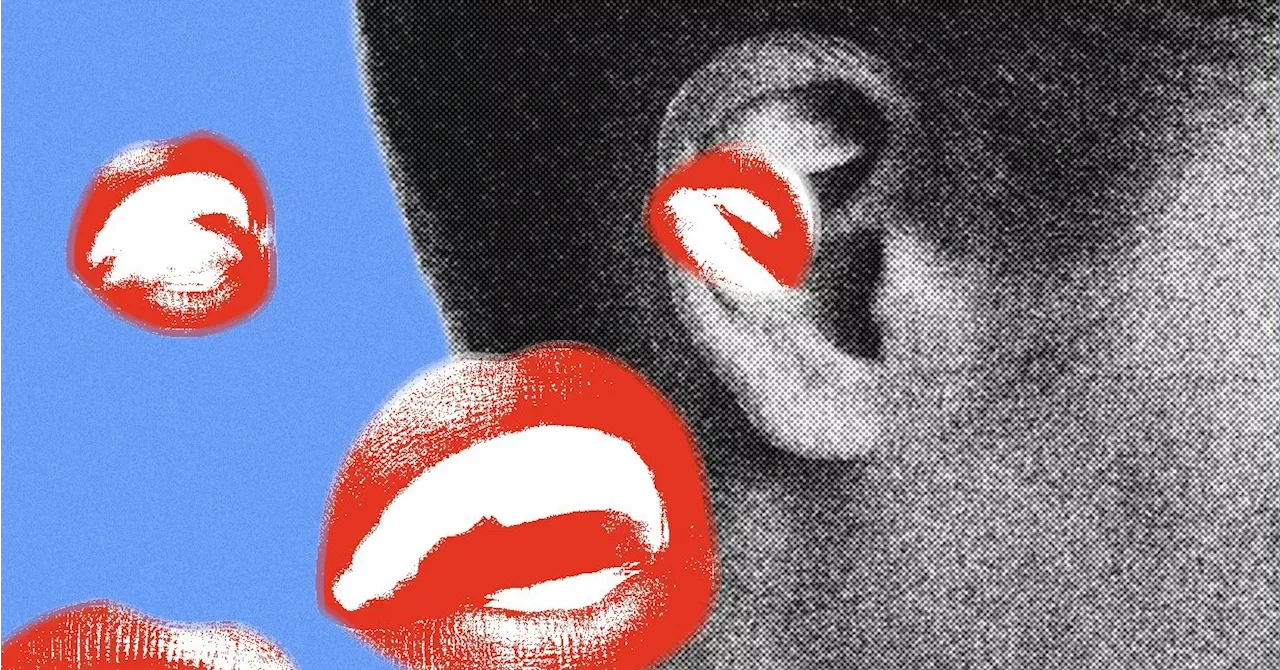
A new breed of digital dating gurus is emerging across social media platforms, captivating audiences with artificial intelligence-generated relationship advice. These virtual personalities boast thousands of followers and millions of views, capitalizing on emotionally charged content that resonates with broad audiences seeking guidance on matters of the heart.
Unlike traditional relationship podcasters and advisors, these AI influencers release tightly edited clips offering simplistic and often controversial takes on love, self-worth, and dating dynamics. The trend, fueled by rising popularity of AI-generated personalities, is projected to become a multi-billion dollar industry in coming years. This phenomenon underscores the growing influence of artificial intelligence in shaping online content and consumer behavior, particularly within the realm of relationships and personal development.
However, beneath the polished surface lies a problematic reality. These AI-powered advisors frequently reinforce traditional gender ideologies, presenting oversimplified views on complex relationship dynamics. Much of the content pits men and women against each other, preying on insecurities and promoting outdated stereotypes. Despite their popularity, the advice often lacks nuance, context, and responsibility, offering quick fixes to genuinely complicated human problems.
The business model behind these virtual personalities reveals a deeper concern. Creators utilize their platforms' popularity to promote paid courses and products designed to help others create their own AI-generated content. These offerings range from digital business launch kits to intensive courses teaching users how to create viral AI podcasts and monetize their platforms. The primary goal appears less focused on offering genuine advice and more on funneling viewers into profitable paid programs, effectively transforming relationship guidance into a commodity.
The visual presentation of these AI personas compounds the problem. Many AI podcasters present highly stylized appearances that reinforce unrealistic beauty standards and perpetuate one-dimensional views of both men and women. Their rhetoric relies heavily on toxic gender tropes, shaping beliefs and expectations without providing depth or accountability. This approach mirrors historical marketing of simplistic ideals, neglecting the complexities of real-life relationships and human connection.
The appeal of AI-generated personalities ultimately lies in their ability to offer easily digestible content promising quick solutions to dating's complexities. Yet this accessibility comes at a cost: reinforcing harmful stereotypes and perpetuating shallow perceptions of relationships. As artificial intelligence continues shaping digital content, questions remain about responsibility, accuracy, and the long-term impact on how people understand love and human connection.