Fuel Crisis Derails Bangladesh Motorcycle Sales During Peak Eid Season
Bangladesh's motorcycle industry faces unexpected slowdown as fuel shortage disrupts Eid sales. March sales dropped to 45,000 units versus 60,000 last year, with manufacturers warning of further decline ahead.
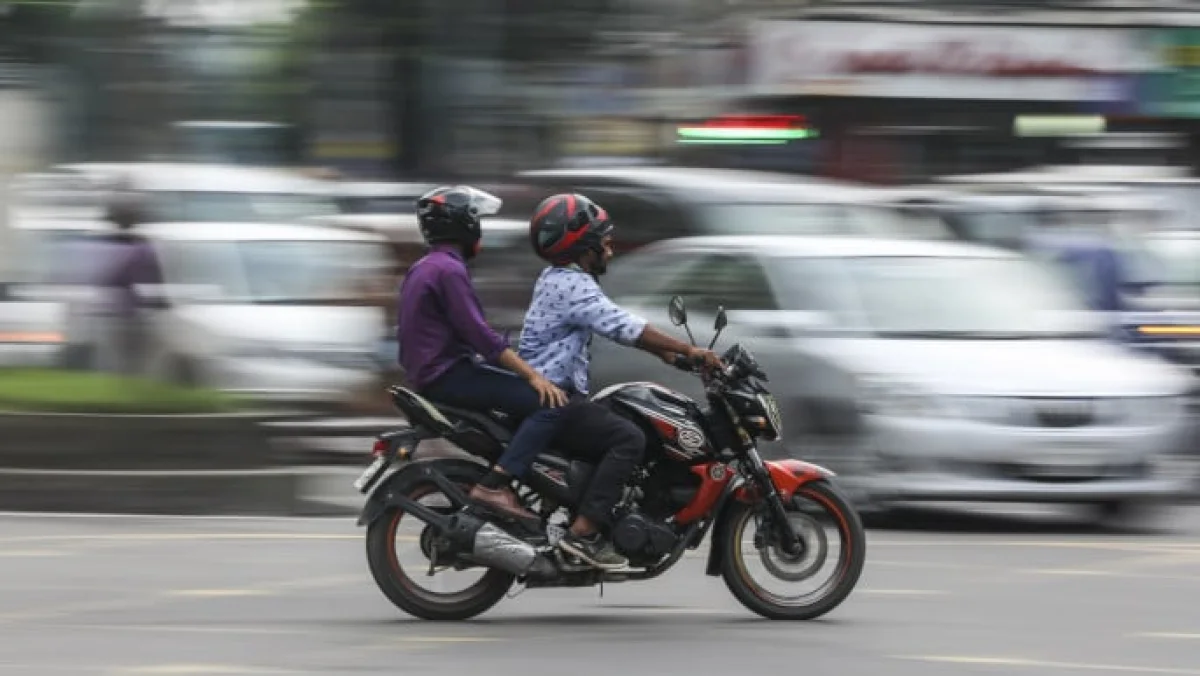
Bangladesh's motorcycle industry typically experiences its strongest sales surge during Eid-ul-Fitr, but this year's peak season has been significantly disrupted by an ongoing fuel crisis linked to regional geopolitical tensions. What manufacturers expected to be a banner sales period has instead become a cautionary tale about how supply chain disruptions can rapidly undermine market momentum.
The fuel shortage, which began following conflicts in the region on February 28, has created visible strain across the country. Motorcyclists queue for hours at fuel stations, while authorities continue to deny widespread shortages despite ground-level evidence to the contrary. This contradiction between official statements and market reality has left both consumers and manufacturers uncertain about when normalcy will return.
According to Biplob Kumar Roy, general secretary of the Bangladesh Motorcycle Assemblers and Manufacturers Association, the numbers tell a sobering story. While March typically sees increased motorcycle sales during Eid celebrations, this year's figures fell significantly short. Manufacturers collectively sold approximately 45,000 motorcycles in March, down substantially from the previous year's Eid season when 60,000 units were sold. Roy estimates that without the fuel supply disruption, sales would have exceeded 50,000 units.
The industry had anticipated robust growth following Bangladesh's 2024 political transition and the formation of a new government. Many entrepreneurs hoped the Eid season would provide the rebound they needed after months of economic uncertainty and inflation. Instead, they face another serious setback that threatens to extend beyond the current month.
Kausar Ahmed, director of the Bangladesh Motorcycle Assemblers and Manufacturers Association and CEO of Rupsha Trading Corporation, warns that April could see further declines if fuel supplies don't stabilize. As the critical post-Eid period, April is crucial for sustaining momentum. The distributor of Zongshen and Hyundai brands expressed concern that continued fuel instability could significantly impact the sector's performance for months to come.
Individual manufacturers have reported varying degrees of impact. Hossain Mohammad, general manager of ACI Motors, the official YAMAHA distributor since 2016, noted that while YAMAHA's sales didn't decline compared to normal months, growth was at least 15 percent below expectations. The company had projected at least 35 percent growth for the Eid season. Runner Automobiles experienced even more dramatic consequences, with monthly sales plummeting from typical levels of around 2,000 units to just 500 units in March—a striking 75 percent collapse.
The fuel crisis extends beyond direct motorcycle sales into the broader automotive ecosystem. After-sales service income has dropped by up to 20 percent as riders reduce their motorcycle usage due to fuel concerns and the time spent queuing for fuel. Ride-sharing drivers, who depend on motorcycles for their livelihood, have also been severely affected. Pathao riders report significantly reduced income during what should be their most profitable period, as fuel shortages force them to limit trips and negotiate higher fares to compensate for extended refueling times.
However, the crisis has revealed emerging opportunities within Bangladesh's automotive market. Electric vehicle sales have surged remarkably as consumers seek alternatives to fuel-dependent transportation. Runner Automobiles reported that EV sales doubled in March, reaching approximately 500 units—matching their motorcycle sales for that month. Over the previous six months combined, EV sales hadn't approached this figure, indicating a fundamental shift in consumer preferences driven by fuel accessibility concerns.
Bangladesh's motorcycle industry has experienced rapid growth over the past decade, nearly doubling from fewer than 200,000 units sold annually in 2015 to approximately 400,000 units today. The industry now manufactures or assembles nearly 99 percent of the country's domestic demand, with major global brands establishing strong local presence. Industry analysts estimate the motorcycle market's size at between Tk7,000 to Tk8,000 crore, with typical annual growth rates of 16 to 17 percent.
If fuel supply disruptions persist, this growth trajectory faces serious disruption. The sector's challenges underscore how vulnerable even rapidly growing industries can be to external supply shocks. As Bangladesh navigates this fuel crisis, both manufacturers and consumers are adapting, with electric vehicles emerging as an unexpected beneficiary of fuel supply instability.